The evolution of Silver Fiber Fabric is honestly pretty impressive. Experts like Dr. Helen Carter from Innovative Textiles have been saying some pretty exciting things about it. She mentioned, ‘The integration of silver fibers offers some really unique benefits in fabric technology,’ and I’d have to agree — it’s a game-changer. One of the things that really makes this fabric stand out is its conductivity. With conductive Silver Fiber Fabric, it’s possible to seamlessly blend technology right into your clothing. And the cool part? The possibilities are pretty much endless — we're talking healthcare, sportswear, and even smart textiles becoming more and more mainstream.
That said, it’s not all smooth sailing. Manufacturing antimicrobial Silver Fiber Fabric requires a good deal of precision and care. If the production isn’t consistent, those fabric’s beneficial properties might not last long — which definitely raises some eyebrows when thinking about durability and how well it actually works in real-world situations.
All in all, Silver Fiber Fabric isn’t just some passing trend — it’s a real revolution. Its perks like antibacterial properties and temperature regulation are pretty amazing. But we also have to face the fact that producing it isn’t always straightforward. The key for companies is to get the manufacturing process right so they can really harness its full potential. As the market grows, I think pushing for high-quality, functional materials is going to be more important than ever.

Silver fiber fabric is a unique material known for its remarkable properties. This fabric incorporates silver nanoparticles, which provide a range of functional benefits. One of the most significant advantages is its antimicrobial property. Silver fibers inhibit the growth of bacteria, keeping clothing fresher for longer. This makes it an excellent choice for activewear and undergarments.
In addition to its antibacterial characteristics, silver fiber fabric offers thermal regulation. It can keep users warm in cold conditions while remaining breathable. The conductive nature of silver allows for improved moisture management. Users often report feeling drier during physical activities. However, not all consumers are aware of the specific mixtures that enhance these properties. The effectiveness can vary greatly based on the fabric blend used.
Another aspect worth noting is the potential for allergy or skin sensitivity in some users. Silver is generally safe, but it’s essential to test for individual reactions. Manufacturers often face challenges in balancing performance with comfort. Finding the right elasticity and softness is vital. The applications of silver fiber fabric span from sportswear to medical textiles, but care must be taken to ensure quality and effectiveness.
Silver fiber fabrichas gained attention for its innovative properties in the textile industry. The integration of silver fiber into Fabrics offers numerous benefits. One significant advantage is itsnatural antimicrobial properties. Research indicates that silver ions can eliminate up to 99.9% of bacteria on contact. This makes silver fiber ideal for activewear and health-related textiles.
Moreover, silver fibers can enhance the thermal regulation of fabrics. A study from the Textile Research Journal notes that textiles containing silver can better manage temperature and moisture. This quality helps keep the body cool in heat and warm in cold conditions. Such functionality is particularly beneficial for outdoor clothing and sports gear.
However, there are challenges. Silver fibers can increase production costs, and the sustainability of sourcing silver is often questioned. Some consumers might be hesitant about the potential environmental impact of using metals in textiles. Despite these concerns, the trend towards smart textiles continues to rise. The global market for silver-based fabrics is expected to reach $2 billion by 2026, driven by ongoing innovations and growing consumer demand for advanced performance fabrics. This makes the exploration of silver fiber applications both critical and complex.
Silver fiber fabric has gained popularity due to its unique properties. One notable application is in sportswear. Athletes often prefer clothing made from conductive silver fiber fabric. This fabric helps regulate body temperature, keeping wearers cool and comfortable during intense activities. It also wicks moisture away, contributing to a better performance experience.
Another vital application is in healthcare. Antimicrobial silver fiber fabric is widely used in medical textiles. It can reduce the risk of infections in hospitals, especially in garments for patients. This fabric is beneficial for wound dressings as it promotes healing. However, this technology has limitations. The effectiveness of antimicrobial properties can diminish after multiple washes.
In addition, functional silver fiber fabric is being utilized in electronics. This fabric can be integrated into smart clothing, enabling sensors and communication devices. Despite the potential, challenges remain. The durability and cost of producing this fabric can impact its accessibility. There’s still much to explore in optimizing these advanced textiles for everyday use.
This bar chart illustrates the various advantages of silver fiber fabric, including its antibacterial properties, thermal regulation, conductivity, UV protection, and overall durability, showcasing their effectiveness in a percentage format.
Silver fiber fabric has gained considerable attention in various industries due to its remarkable antimicrobial properties. Research indicates that silver ions can disrupt bacterial cell walls and inhibit growth. A study published in the Journal of Applied Microbiology found that silver fibers can reduce bacterial populations by over 99% within two hours of exposure. This capability makes silver fiber fabric an ideal choice for medical textiles and athletic wear.
Many applications benefit from these antimicrobial properties. For instance, healthcare professionals often wear garments made from silver fiber to minimize the risk of infections. Additionally, activewear incorporating silver fibers can maintain freshness during intense workouts. According to the Technical Research Institute, textiles with silver fibers can be particularly effective in odour control, improving user comfort. In recent experiments, silver fibers also demonstrated potential in enhancing the durability of fabrics, such as in 100% Recycle Polyester Anti Static Conductive Fabric Workwear Fabric.
Despite these advantages, challenges exist. The effectiveness of silver fibers can diminish under certain conditions, such as repeated washing. The longevity of the antimicrobial effect is a concern that needs addressing. Moreover, while silver fibers add value, their production cost can elevate the overall price of textiles. As the demand for multifunctional fabrics rises, ongoing research will be crucial. Innovators are exploring new blends, including those that incorporate materials like Copper Nickel Conductive Cloth for signal shielding. Addressing these challenges will pave the way for improved applications in the future.
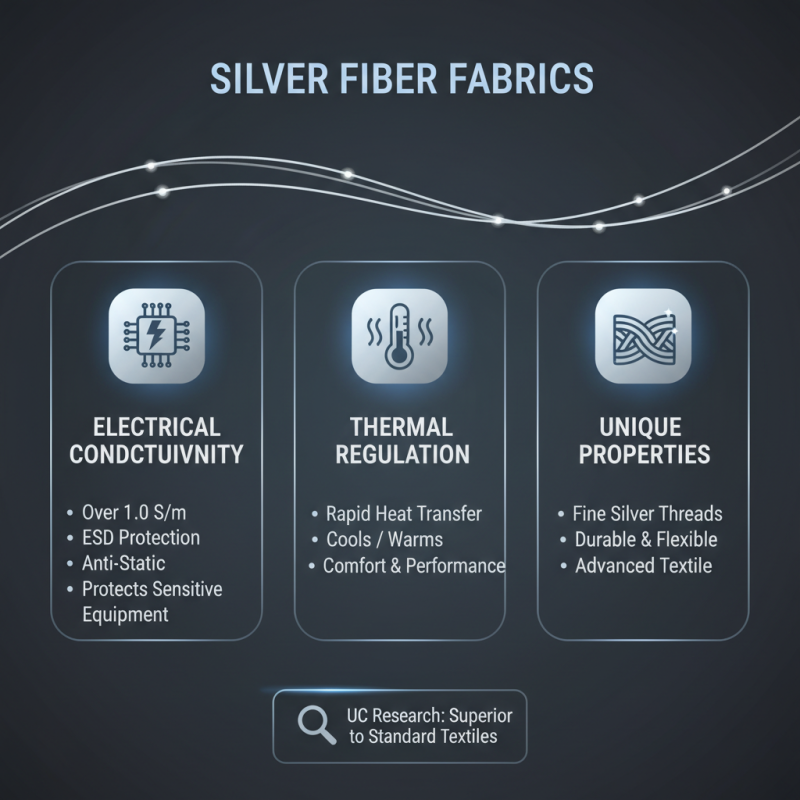
Silver fiber fabrics have gained attention for their unique conductivity and thermal regulation features. These fabrics, often composed of fine silver threads, excel at transferring heat and electricity. A study conducted by researchers at the University of California revealed that silver fibers maintain a conductivity level over 1.0 S/m, significantly higher than standard textiles. This high conductivity makes them ideal for ESD fabric with anti-static properties, ensuring that sensitive equipment remains protected.
The thermal regulation capabilities of silver fiber fabrics also warrant discussion. When worn, these fabrics help regulate body temperature effectively. According to industry analyses, textiles infused with silver fibers can manage heat, keeping wearers cool in summer and warm in winter. This dual function enhances comfort during various activities. Furthermore, industries that require static release fabric anti-static fabric benefit greatly from this technology.
Yet, challenges remain. The durability of these fabrics under repeated wash cycles needs exploration. Some users reported a decrease in conductivity after several washes. Further research on long-term performance and sustainability of silver fiber integration in textiles is essential. Balancing efficacy with longevity will ultimately determine the wider acceptance of these advanced materials in everyday applications.
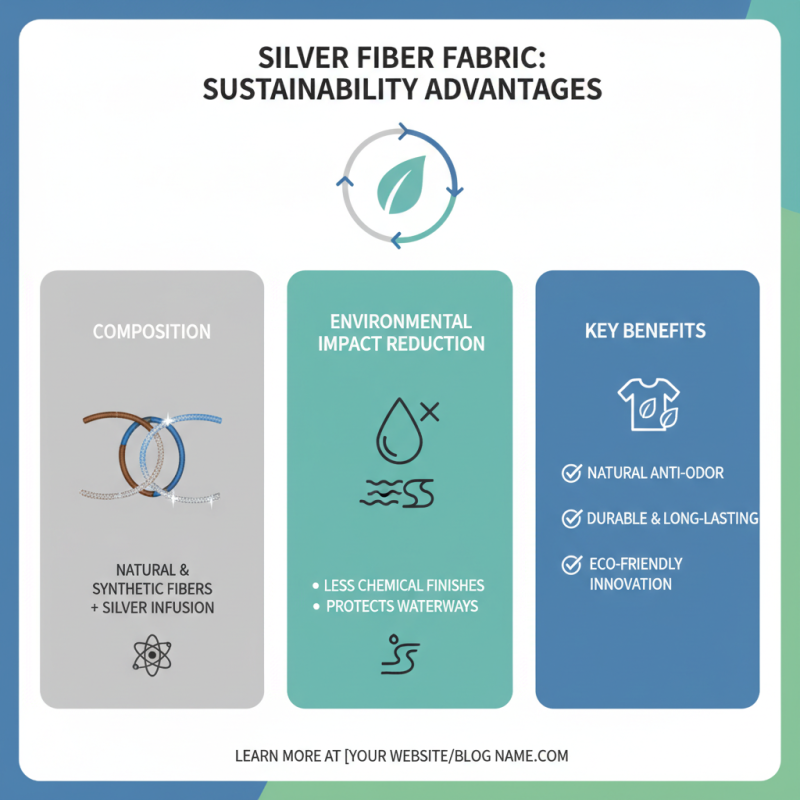
Silver fiber fabric offers unique advantages in terms of sustainability. This fabric is made from a blend of natural and synthetic fibers, typically incorporating silver to enhance its properties. The environmental impact of silver fiber is worth noting. Unlike conventional fabrics, silver fibers can reduce the need for chemical finishes, which often pollute waterways.
Tips: Look for manufacturers that prioritize eco-friendly practices. This can help you choose sustainable options.
The production of silver fiber fabric can be resource-intensive, which raises questions. How can we balance innovation with sustainability? Recycling and repurposing fabrics are areas needing improvement. By increasing awareness and demand for silver fiber, we might foster better practices.
Tips: Consider second-hand options. This reduces waste and gives fabric an extended life.
Lastly, while silver fiber has antimicrobial properties, how those benefits translate into the lifespan of the fabric needs examination. Exploring these dimensions can lead us toward more responsible consumption choices. It’s an ongoing conversation within the textile industry that requires mindful participation.
Silver fiber fabric is gaining traction in various industries, especially in wearable technology. This fabric can be made from silver fiber for spun yarn and silver fiber blended yarn. The unique properties of silver make it a great antimicrobial agent. It can inhibit bacterial growth, providing healthy and odor-free wear.
Looking ahead, trends suggest a potential surge in the use of silver fiber fabrics. They might find applications in sportswear, healthcare, and smart textiles. Imagine clothing that adapts to your body temperature while keeping bacteria at bay. New techniques in producing anti-bacterial silver staple fiber are on the rise. These innovations could lead to better-functioning fabrics that are also environmentally friendly.
However, challenges remain. Not all silver fiber fabrics perform equally. The durability and comfort levels can vary significantly. Manufacturers must prioritize quality control to ensure high standards. There’s a need for more research and development to refine these fabrics. The future of silver fiber technology holds promise, but only with continued improvement and innovation.
| Advantages | Applications |
|---|---|
| Antimicrobial properties | Healthcare textiles |
| Thermal regulation | Sportswear |
| Conductive properties | Smart textiles |
| Anti-odor | Underwear and socks |
| Breathability | Fashion industry |
| Durability | Workwear |
| UV protection | Outdoor apparel |
: Silver fiber fabric disrupts bacteria and inhibits growth. It reduces bacterial populations by over 99% in two hours.
Healthcare professionals use silver fiber garments to lower infection risks. These fabrics help maintain hygiene.
Yes, silver fibers excel in odor control. They enhance user comfort, especially during physical activities.
Durability can be a concern. Some users experienced a decrease in antimicrobial effectiveness after repeated washes.
Silver fibers maintain a high conductivity level. They can efficiently transfer heat and electricity compared to typical textiles.
Yes, the longevity of its properties needs evaluation. Production costs can also increase the price of these textiles.
Absolutely. They help keep wearers cool in summer and warm in winter, enhancing comfort during activities.
Researchers are exploring new blends, including materials like Copper Nickel for better performance in various applications.
Repeated washing can diminish its antimicrobial properties. Long-term performance data is still being researched.
Research is crucial to address challenges with durability, cost, and performance to improve future applications.
Silver Fiber Fabric is an innovative textile that integrates the unique properties of silver, offering a range of benefits and applications. Its antimicrobial properties make it ideal for use in medical textiles and sportswear, providing protection against bacteria and odors. Additionally, the fabric's excellent conductivity allows for effective thermal regulation, making it suitable for wearable technology and smart clothing.
Sustainability is another important aspect of Silver Fiber Fabric, as it often utilizes environmentally friendly processes in its production. The increasing interest in health and wellness, along with advancements in fabric technology, suggests a promising future for Silver Fiber Fabric in various sectors, including fashion, healthcare, and fitness industries. As technology progresses, the versatility and benefits of Silver Fiber Fabric are likely to expand, solidifying its role in modern textiles.